
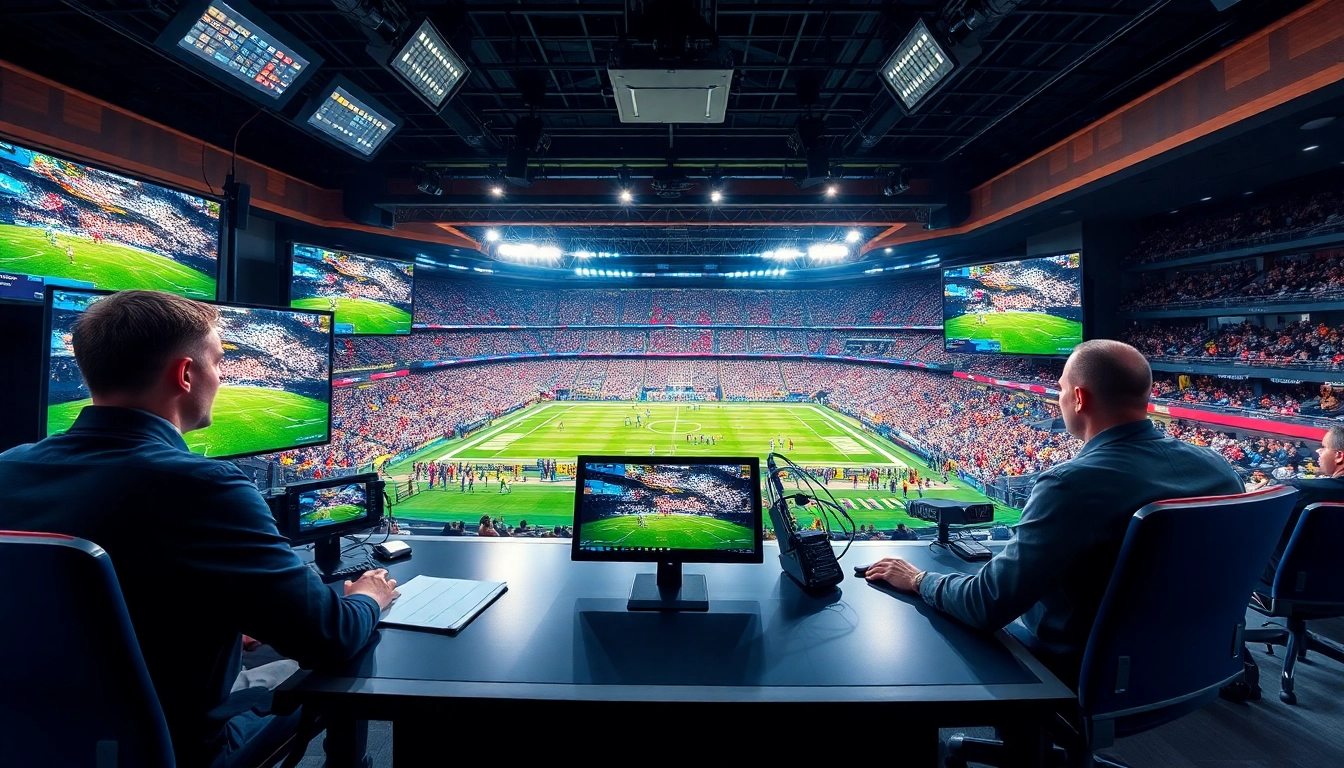
Understanding the Basics of Sports Broadcasting
What is Sports Broadcasting?
Sports Broadcasting is the dissemination of sports-related content through various media platforms. This form of communication encompasses live events, sports news, analyses, documentaries, and other related content. Television, radio, and the internet are the primary channels through which sports broadcasting occurs. With the increased digitization of media, sports broadcasting has evolved significantly, allowing fans to access thrilling content from anywhere in the world. For a closer look at the sports broadcasting landscape, explore Sports Broadcasting.
Key Roles in Sports Broadcasting
The sports broadcasting industry is composed of diverse roles, each integral to delivering captivating content. Key roles include:
- Sports Commentators: They provide live commentary, offering insights and context to engage viewers.
- Producers: These professionals oversee the production process, from pre-production planning to editing and post-production.
- Camera Operators: They are responsible for capturing the action, ensuring viewers have an immersive experience.
- Technical Directors: These individuals manage the technical aspects of broadcasting, including audio and visual elements.
- Journalists: They cover sports news and provide in-depth analysis and reports on events.
Essential Equipment for Sports Broadcasting
Effective sports broadcasting requires a range of specialized equipment, including:
- Cameras: High-definition cameras are essential for capturing dynamic sports action.
- Microphones: Quality audio capture is vital; lapel and shotgun microphones are commonly used.
- Production Switchers: These tools allow real-time switching between camera feeds and graphics.
- Broadcasting Software: Systems used for live streaming and pre-recorded content production.
- Editing Suites: Advanced software tools used for post-production and highlight reels.
Crafting Engaging Sports Broadcasting Content
Types of Sports Broadcasting Formats
Content can be delivered in various formats, each serving distinct audience preferences:
- Live Telecasts: A standard format where events are broadcast live, attracting real-time viewers.
- Pre-recorded Shows: These include highlights, interviews, and expert analyses that can be edited for clarity and pacing.
- Podcasts: Audio-based content where hosts discuss sports topics, often featuring guest interviews.
- Webcasts: Live-streamed events on platforms like YouTube, appealing to digital-native audiences.
Creating Compelling Storylines
To captivate audiences, broadcasters must weave compelling narratives around sporting events. This involves:
- Research: Understanding player backgrounds, team histories, and rivalries enriches the storytelling.
- Human Interest Angles: Highlighting personal stories of athletes or underdog narratives elevates the drama.
- Expert Insights: Including analysis from sports professionals adds depth and credibility to the coverage.
Incorporating Viewers' Feedback
Engagement isn't just about what is broadcast; it also includes listening to the audience. Utilizing polls, social media interactions, and viewer comments can help:
- Shape Content: Adjust storytelling to align with audience interests.
- Boost Engagement: Create a community feeling and foster viewer loyalty through interaction.
- Measure Success: Use feedback to evaluate the effectiveness of formats and storylines.
The Technology Behind Sports Broadcasting
Latest Innovations in Broadcasting Tools
Technology plays a crucial role in sports broadcasting, continually evolving to improve viewer experience. Innovations include:
- 4K and VR Technology: Offering viewers upgrades in visual quality and immersive experiences.
- Drones: Aerial footage adds dynamic perspectives, enhancing event coverage.
- Graphics and Animation: Enhanced graphics provide visual context and in-depth analysis during live broadcasts.
Streaming vs. Traditional Broadcasting
The ongoing shift from traditional broadcasting to streaming platforms has transformed how sports content is consumed. Key differences include:
- Accessibility: Streaming services allow viewers to watch on-demand, anytime, anywhere.
- Interactivity: Many streaming platforms promote viewer engagement through live chats and social media integration.
- Cost Models: Subscription-based models offer ad-free experiences and exclusive content not found in traditional broadcasts.
The Role of Social Media in Broadcasting
Social media has become instrumental in shaping sports broadcasting strategies. Its impact includes:
- Real-time Updates: Platforms like Twitter provide instant analysis and live updates during events.
- Community Building: Sports teams and broadcasters use social media to establish communities around shared interests.
- Content Sharing: Highlights and memorable moments can easily go viral, fostering greater engagement beyond traditional viewership.
Strategies for Audience Engagement
Building a Community Around Sports Broadcasting
Creating a sense of community is vital for long-term viewership. Strategies include:
- Fan Clubs: Establish official fan pages and forums that motivate discussions and connections.
- Exclusive Events: Organizing watch parties or meet-and-greet events increases viewer commitment.
- Involved Content Creation: Encourage fans to contribute content, like photos or videos from games.
Leveraging Analytics to Improve Engagement
Analytics provide data-driven insights that can enhance viewer engagement by:
- Identifying Trends: Understanding what content works allows broadcasters to tailor programming accordingly.
- Measuring Engagement: Tracking viewership numbers and audience interactions helps refine approaches.
- Improving Marketing Strategies: Analytics inform promotional decisions and campaign adjustments.
Utilizing Interactive Features
Interactive features create engaging experiences for viewers. Example strategies include:
- Live Polls: Engage the audience by integrating live voting during broadcasts.
- Q&A Sessions: Host live question-and-answer sessions with sports figures or commentators.
- Augmented Reality (AR) Features: Implement AR tools that allow viewers to explore data or statistics interactively.
Challenges in Sports Broadcasting and How to Overcome Them
Adapting to Changing Technologies
The fast pace of technological advancements can overwhelm broadcasters. Adapting successfully involves:
- Continuous Learning: Keeping pace with new technology and trends is critical for success.
- Investing in Training: Providing ongoing training ensures that all staff are familiar with the latest tools.
- Embracing Flexibility: August changes quickly in strategies and tools according to emerging tech advancements.
Addressing Licensing and Rights Issues
Broadcasting rights and licensing issues can complicate content dissemination. Strategies to address these challenges include:
- Clear Contracts: Establishing explicit agreements when acquiring broadcasting rights helps prevent disputes.
- Open Communication: Maintain transparent dialogue with rights holders to manage expectations and obligations.
- Legal Consultation: Regular consultations with legal experts ensure compliance with licensing agreements.
Maintaining Quality Under Pressure
Delivering quality broadcasts in high-pressure situations requires robust planning and execution. Tactics include:
- Pre-Event Rehearsals: Conducting trial runs ensures everyone knows their roles on the day of the event.
- Crisis Management Plans: Develop contingency plans to address technical failures or unexpected events.
- Team Support: Encouraging a supportive team environment fosters collaboration and reduces stress.
FAQs about Sports Broadcasting
What platforms offer sports broadcasting?
Sports broadcasting is available on various platforms, including television, radio, and streaming services such as YouTube and ESPN+.
How do I start a career in sports broadcasting?
A career in sports broadcasting often requires a degree in communications or journalism and practical experience through internships or entry-level positions.
What are the main challenges in sports broadcasting?
Main challenges include adapting to new technologies, managing broadcasting rights, and maintaining quality under pressure.
How can audience engagement improve sports broadcasting?
Engaging your audience enhances loyalty, encourages community building, and provides valuable feedback to shape future content.
What technology is essential for sports broadcasting?
Essential technology includes high-definition cameras, microphones, production switchers, and broadcast software to create high-quality content.