Understanding Paint Protection Film
What is Paint Protection Film?
Paint Protection Film (PPF) is a clear or tinted thermoplastic urethane film applied to the exterior surfaces of a vehicle to protect its paint from damage. This protective layer is often used on high-impact areas like hoods, bumpers, and mirrors, offering a safeguard against scratches, chips, and environmental contaminants. PPF serves as a barrier that absorbs impacts while remaining nearly invisible to the naked eye, preserving the vehicle's aesthetic appeal.
Benefits of Using Paint Protection Film
The advantages of applying paint protection film to your vehicle are numerous. Firstly, it significantly reduces the risk of paint chipping and scratching caused by road debris, stones, and other external elements. Secondly, PPF offers resistance to UV rays, preventing paint from fading and discoloring over time. This longevity helps maintain the vehicle's resale value, making it a wise investment for car enthusiasts. Moreover, many PPF products come with self-healing properties; minor scratches and swirl marks can disappear when exposed to heat, providing additional visual benefit.
How Paint Protection Film Works
Paint protection film works through a combination of its material properties and installation techniques. The film's urethane composition allows it to absorb and disperse impact energy, reducing the likelihood of cracks in the underlying paint. Furthermore, the adhesive used in applying PPF ensures a strong bond without damaging the vehicle's finish, and its clear nature provides an unobstructed view of the car's paint. When installed correctly, paint protection film remains unobtrusive, enhancing rather than detracting from the vehicle's appearance.
Choosing the Right Film for Your Vehicle
Types of Paint Protection Film
There are several types of paint protection films available, each with unique features catering to different needs and preferences. The two primary categories are self-healing and non-self-healing films. Self-healing films have the ability to repair minor scratches and swirl marks through heat exposure, while non-self-healing films may require replacements for damaged sections. Additionally, some films offer enhanced gloss levels, providing a more vibrant appearance, while others focus on matte finishes suitable for certain aesthetics. Understanding these distinctions is crucial for making an informed choice based on your vehicle and desired outcomes.
Factors to Consider When Choosing
When selecting the appropriate paint protection film, several factors come into play. First, consider the environmental conditions your vehicle is exposed to; if you live in an area with harsh weather or heavy road debris, a thicker, more durable film may be necessary. Furthermore, take into account your vehicle's usage; everyday drivers might opt for a more robust, self-healing film, while luxury cars could benefit from films that enhance shine and color. Budget constraints are essential as well, particularly since costs can vary widely between different film types and brands, averaging from paint protection film near me.
Comparing Brands and Quality
The market offers a variety of brands with different quality levels. When comparing options, it's vital to look for films backed by warranties and customer satisfaction ratings. High-quality films typically include features such as resistance to yellowing, scratch resistance, and better adhesion properties. Check for user reviews and seek recommendations from trusted sources for a clearer understanding of how specific brands perform in real-world scenarios. Doing this thorough research will ensure that you invest in a product that meets your expectations for performance and durability.
Installation Process Explained
DIY vs. Professional Installation
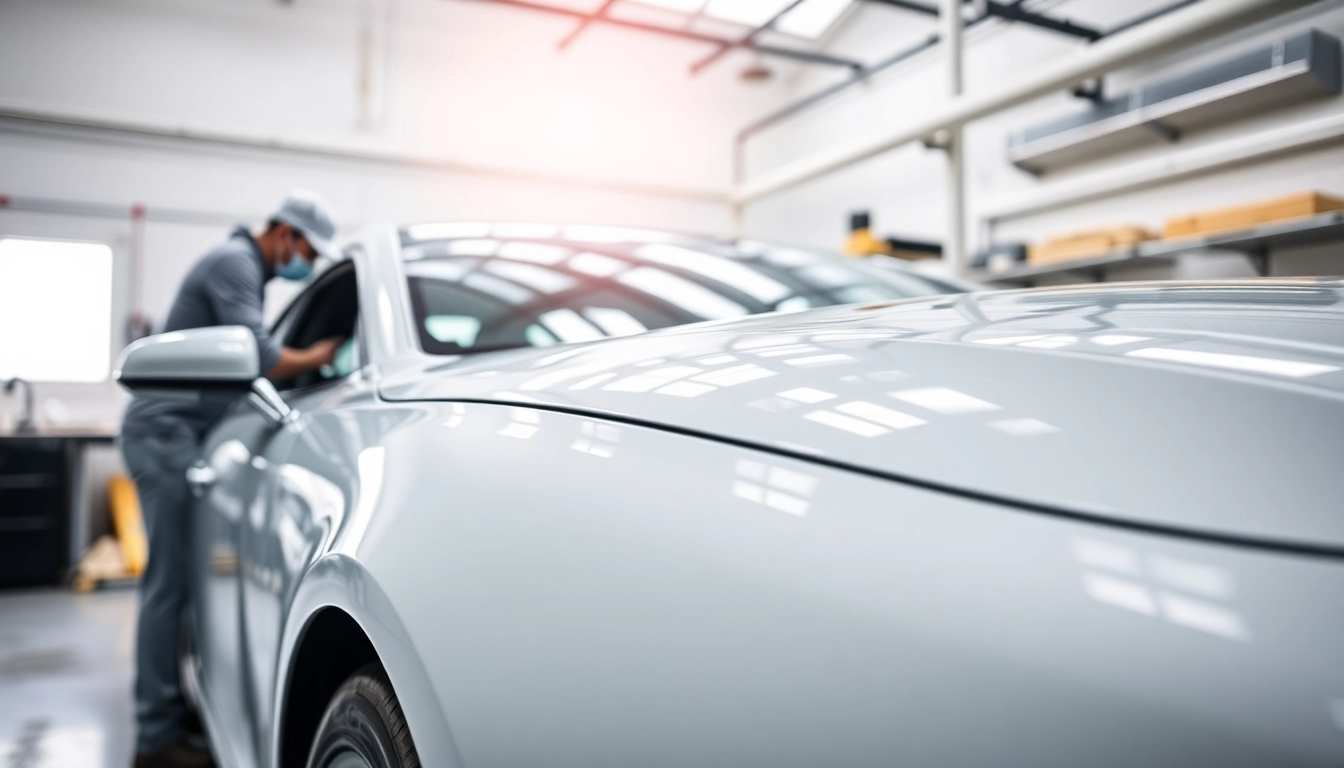
Paint protection film installation can be approached through DIY methods or professional assistance. DIY installation may appeal to those looking to save money or enjoy hands-on projects; however, it often requires skills like precision cutting and bubble-free application, which can lead to unsatisfactory results. On the other hand, professional installation guarantees quality and longevity. Experienced technicians utilize specialized tools and techniques to ensure a flawless application, ultimately providing better protection for your vehicle.
Step-by-Step Installation Guide
If you opt for DIY installation, here’s a basic step-by-step guide:
- Preparation: Wash your vehicle thoroughly to remove any dirt and grime. Use isopropyl alcohol to eliminate wax and grease, ensuring a clean surface for adhesion.
- Cutting the Film: Measure and cut the film pieces according to the specific areas of your vehicle you're covering. A precise template is essential.
- Wet Application: Use a mixture of water and a few drops of dish soap in a spray bottle. Spray both the vehicle and film to help with positioning.
- Application: Position the film over the area, gently squeegeeing out bubbles and excess water with a soft plastic squeegee.
- Drying: Allow the film to cure for at least 48 hours for the best results. Avoid washing the car during this period.
Common Mistakes to Avoid
Many pitfalls exist when installing paint protection film. Beginners may apply too much pressure while squeegeeing, leading to stretch marks or tearing of the film. Using inappropriate cleaning agents can also damage the adhesive. Additionally, cutting the film while it rests on the car increases the risk of scratching the paint underneath. To circumvent these mistakes, patience, precision, and thorough research before installation are key. Should you doubt your ability, it's wise to consult a professional.
Maintaining Your Paint Protection Film
Cleaning and Care Tips
Once your paint protection film is installed, proper maintenance is essential to ensure its longevity. Regular washing with gentle, pH-balanced soaps will prevent the buildup of dirt and grime. Avoid using abrasive materials; instead, opt for microfiber cloths to minimize the risk of scratching the film. Additionally, sealing the film with a ceramic coating can provide extra protection against contaminants while enhancing shine. Regular inspections for signs of wear are also recommended to catch early issues.
How to Spot Damage Early
Being proactive about spotting damage can save you from more significant problems later. Look for discoloration, peeling edges, or bubbles forming underneath the film, which can indicate adhesion failures or surface damage. It's crucial to address these issues early, as they can lead to protective failures and deterioration of the underlying paint. If you spot damage, a professional can assess whether the film can be treated or if replacement is necessary.
When to Replace the Film
Eventually, paint protection film will reach the end of its life cycle. Signs that it’s time to replace the film include extensive yellowing, cracking, or failing to self-heal from minor scratches. If the film's performance diminishes, it’s best to remove and replace it to ensure continued protection for your vehicle. Most high-quality PPF can last approximately 5 to 10 years with proper care, so planning for eventual replacement is part of maintaining your vehicle's exterior protection strategy.
Frequently Asked Questions
What does paint protection film cost?
Costs vary, but installation generally ranges from $500 to $2,000 depending on vehicle size and coverage.
How long does paint protection film last?
High-quality films can last 5-10 years with proper care, offering great long-term protection.
Can I install the film myself?
While DIY installation is possible, professional installation ensures quality results and longevity.
Does paint protection film affect my vehicle’s appearance?
When applied correctly, paint protection film is nearly invisible and enhances your vehicle's finish.
Is paint protection film removable?
Yes, the film can be safely removed by professionals without damaging the underlying paint.