Electric Forklift: Which One Should You Pick in 2026?
Introduction to Electric Forklifts
In today’s fast-paced industrial landscape, the choice of equipment can significantly affect operational efficiency and productivity. Among the top contenders in modern material handling solutions is the electric forklift, a technology that has transformed the way warehouses and manufacturing facilities operate. These machines are tailored to meet the growing demands for sustainable practices while maintaining high performance in material handling tasks. In this article, we will dive deep into what electric forklifts are, their benefits, and why they are becoming the preferred choice in industries globally.
What is an Electric Forklift?
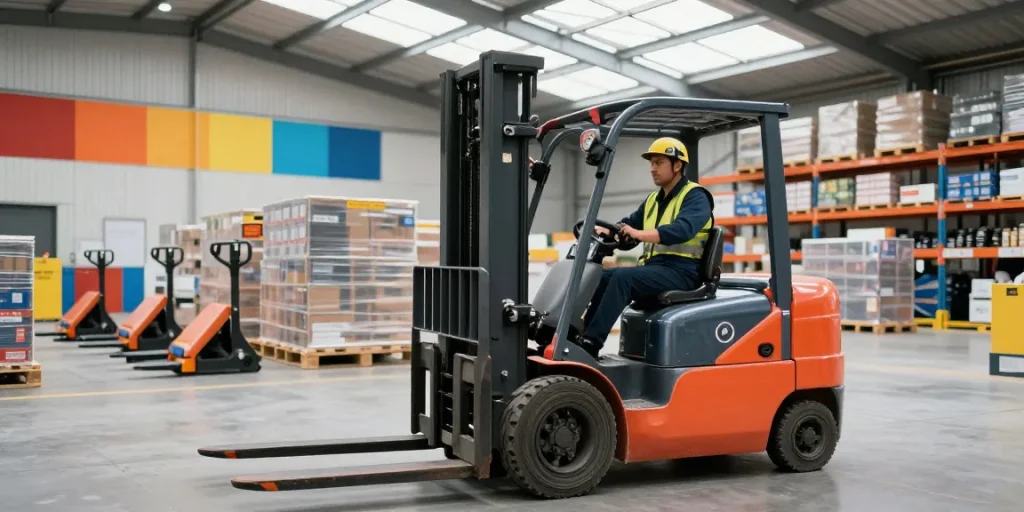
Electric forklifts are powered by electric engines and use rechargeable battery packs instead of traditional internal combustion engines. This non-polluting alternative is not only better for the environment but also addresses the rising energy costs associated with fuel-based machinery. Typically featuring a variety of models equipped for different lifting requirements, electric forklifts are commonly used in warehouses, retail operations, and even construction sites where heavy lifting is needed without the emissions associated with diesel or petrol-powered machines.
Benefits of Using Electric Forklifts
- Environmental Impact: Electric forklifts emit zero tailpipe emissions, making them a great choice for indoor operations and companies looking to reduce their carbon footprint.
- Lower Operating Costs: With fewer moving parts, electric forklifts generally incur lower maintenance costs and benefit from the rising affordability of electricity compared to fossil fuels.
- Improved Safety: The quieter operation of electric forklifts contributes to a safer workplace, as it reduces noise pollution and enhances operator communication.
- Enhanced Performance: Electric models typically offer better acceleration, lifting speed, and maneuverability, which can significantly increase productivity in dynamic warehouse settings.
Key Features to Look For
When selecting an electric forklift, it is essential to consider several key features that can influence both performance and safety:
- Battery Life: Look for models with longer-lasting batteries, which can operate through multiple shifts without needing a recharge.
- Load Capacity: Ensure the forklift can handle your specific loads, which may vary depending on your operations.
- Ergonomic Design: Operator comfort is vital for safety and productivity; features such as adjustable seating and easy-to-use controls can make a significant difference.
- Versatility: Depending on your needs, you might want a forklift that can adapt to various attachments, such as side shifters or fork extensions.
Understanding Different Types of Electric Forklifts
Counterbalance Electric Forklifts
Counterbalance forklifts are the most common type of electric forklift. They have a weight at the rear that counterbalances the load being lifted, which allows for greater stability while handling heavy loads. These forklifts are excellent for general use in various applications, including warehouse operations and distribution centers.
Reach Electric Forklifts
Specially designed for narrow aisles, reach forklifts can extend their forks to reach loads on high shelves. These forklifts have a unique design that allows them to efficiently navigate tight spaces, making them essential for maximizing vertical storage in warehouses.
Stand-Up Electric Forklifts
Stand-up electric forklifts are built for versatility and maneuverability. Operators can easily hop on and off, making them suitable for quick, repetitive tasks. Their design is ideally suited for operations that require frequent stops and starts, thus enhancing productivity in active environments.
How to Choose the Right Electric Forklift for Your Business
Assessing Your Warehouse Needs
Choosing the right electric forklift begins with understanding the specific needs of your warehouse. Analyze the layout, including aisle widths and shelving heights, to determine the most suitable forklift type. Also, consider the volume and weight of the loads that will be handled to ensure optimal performance.
Understanding Load Capacities
Each electric forklift comes with a rated load capacity that must be adhered to ensure safety and efficiency. Exceeding this limit can lead to tipping or mechanical failure. It is crucial to select a model that meets or exceeds the heaviest loads you anticipate handling.
Evaluating Battery Options
Forklift batteries vary widely in capacity and type, impacting both performance and cost. Lead-acid batteries are common and cost-effective, but lithium-ion batteries offer faster charging times and longer lifespan, making them a smart investment for high-usage environments.
Best Practices for Operating Electric Forklifts
Safety Guidelines for Electric Forklift Operation
Before operating an electric forklift, ensuring all safety protocols are in place is paramount. Operators should receive thorough training, including understanding load limits and the operation of safety features such as lights and alarms. A pre-use safety check should also be conducted to identify any maintenance issues.
Maintenance Tips to Ensure Longevity
Regular maintenance is essential for the longevity of electric forklifts. Key practices include:
- Routine battery maintenance: Check fluid levels and clean terminals to prevent corrosion.
- Regular inspections: Look for signs of wear and replace parts as necessary.
- Keeping the forklift clean: A clean machine not only operates better but also lasts longer.
Training Your Workforce on Electric Forklifts
Investing in proper training can significantly reduce accidents and improve efficiency. Regular refresher courses and hands-on training sessions will ensure that your workforce is updated on best practices and any changes in operational protocols.
Future Trends in Electric Forklift Technology
Innovations to Expect by 2026
The future of electric forklifts is bright, with several innovations on the horizon. Enhanced battery technologies, including the use of solid-state batteries, promise to improve efficiency and reduce the time required for charging. Moreover, developments in smart technology, such as integrated sensors and connectivity, are likely to significantly improve operational visibility and performance.
Impact of Automation on Electric Forklifts
As automation technology continues to evolve, electric forklifts are becoming increasingly equipped with automated features. This includes autonomous driving capabilities that can enhance productivity by reducing human error and increasing operational speed in warehouse settings.
Sustainability and Electric Forklift Development
With the growing emphasis on sustainability, electric forklifts are at the forefront of green innovation. Manufacturers are focusing on producing more energy-efficient machines and utilizing sustainable materials, which align with broader industry goals for reducing environmental impact.
What are the advantages of electric forklifts over traditional ones?
Electric forklifts provide numerous advantages over their traditional counterparts, including lower operational costs, reduced emissions, and less noise pollution. These factors contribute to not just cost savings, but also improved workplace environments.
How do I maintain my electric forklift effectively?
Effective maintenance for electric forklifts includes regular battery checks, scheduled servicing, and adhering to manufacturer guidelines. Keeping the forklift clean and addressing minor repairs promptly can prevent larger issues down the line.
What are the best brands for electric forklifts?
Some of the most reputable brands for electric forklifts include Toyota, Crown, and Hyster. Each brand offers a variety of models tailored to specific industrial needs, thus ensuring that users can find a forklift that suits their operational requirements.
Can electric forklifts be used in outdoor environments?
While electric forklifts are primarily designed for indoor use, some models are suitable for outdoor conditions. It is important to select a forklift designed with weather-resistant features for outdoor operations to ensure reliability and safety.
What size electric forklift do I need for my operations?
The size of the electric forklift you need will depend largely on the weight you intend to lift and the dimensions of your workspace. Carefully assessing your operational needs will help in selecting the right model to enhance efficiency.