Masterful Pergola Configurator: Create Your Dream Outdoor Space in 2026
Understanding the Pergola Configurator
As outdoor living spaces continue to gain popularity, the need for customizable structures such as pergolas has risen significantly. A pergola configurator is a specialized tool that allows homeowners and designers to create personalized designs tailored to specific styles and functionalities. These tools leverage advancements in technology to provide a user-friendly interface, enabling individuals to visualize their dream pergolas before construction begins.
What is a Pergola Configurator?
A pergola configurator is an interactive software solution that allows users to design their own pergolas. These configurators typically offer a 3D visualization feature where users can manipulate dimensions, colors, materials, and styles to see how their choices will appear in a real-world setting. The configurators are often available online, making them accessible from anywhere with an internet connection and providing a convenient way to experiment with different designs.
Benefits of Using a Pergola Configurator
- Customization: Users can tailor every aspect of their pergola to fit their specific needs and preferences.
- Visualization: 3D modeling allows customers to see exactly how their pergola will look, aiding in design decisions.
- Cost Efficiency: By planning precisely, users can avoid unnecessary expenses and ensure their design fits within their budget.
- Time-Saving: A configurator streamlines the design process, reducing the time needed to finalize plans.
How the Configurator Works Step-by-Step
- Access the Tool: Navigate to a pergola configurator online.
- Select Initial Options: Choose your pergola type, size, and style.
- Customize Features: Adjust colors, materials, and any additional elements such as lights or shades.
- Visualize in 3D: Use the configurator’s 3D capabilities to see your design come to life.
- Save and Share: Once satisfied, save your design, and share it with family or contractors for further consultation.
Choosing the Right Design for Your Needs
When embarking on the journey of designing your pergola, it is crucial to consider multiple factors to focus on creating a space that meets your aesthetic and practical requirements.
Factors to Consider When Designing a Pergola
- Location: The placement of your pergola is vital for functionality and aesthetics. Analyze how it will fit into your existing landscape, ensuring it complements surrounding features.
- Purpose: Understand how you intend to use the pergola. Whether for entertaining, relaxation, or as a garden support structure, defining its purpose will guide your design.
- Style: Your pergola should align with your home’s architectural style. Consider materials, colors, and shapes that will blend well with your existing structures.
Common Pergola Styles Explained
There are several popular styles of pergolas, each offering unique features:
- Traditional: Often made of wood and featuring a lattice roof, traditional pergolas provide a classic aesthetic.
- Modern: Characterized by sleek lines and contemporary materials, modern pergolas often incorporate aluminum and polycarbonate roofs.
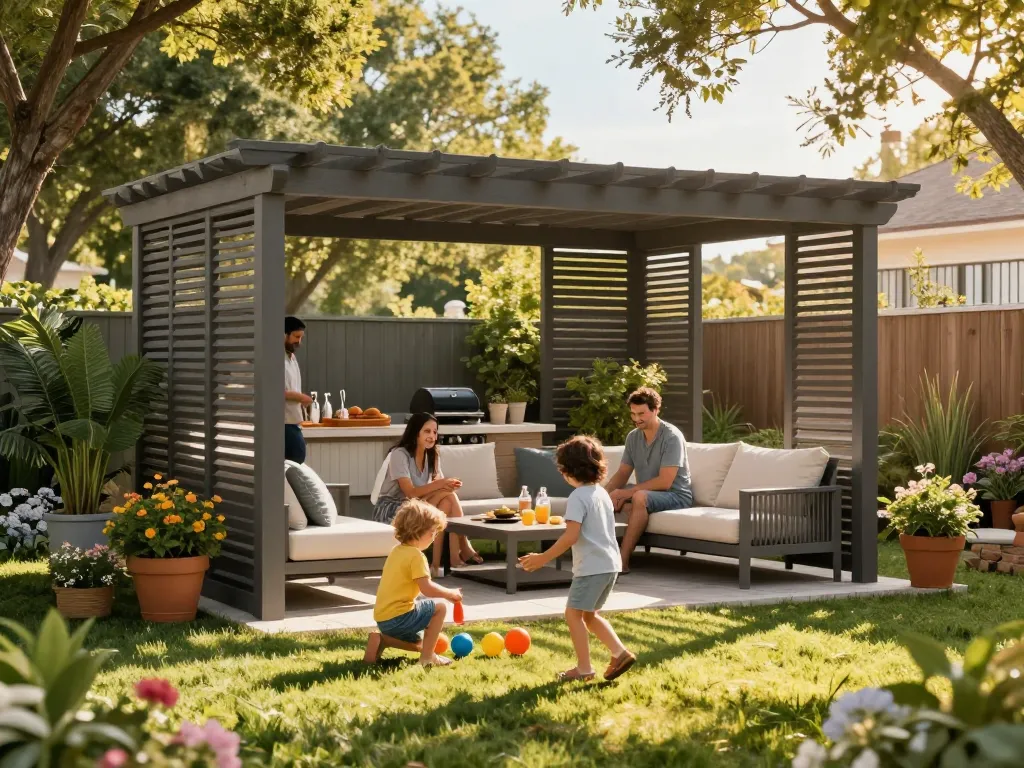
- Bioclimatic: These pergolas feature adjustable louvered roofs, allowing for control of sunlight and ventilation.
Personalization Options and Features
Alongside basic structure design, many configurators allow for additional customization, including:
- Integrated lighting options for evening use.
- Built-in seating or planters to enhance functionality.
- Extra accessories such as curtains or retractable shades for added comfort and privacy.
Integrating Your Pergola into Your Outdoor Space
Effectively integrating a pergola into your landscape can dramatically improve your outdoor living experience. Proper placement and design choices can create a seamless transition between your indoor and outdoor areas.
Best Practices for Placement and Design
- Position your pergola to maximize views while minimizing exposure to harsh sunlight.
- Ensure it is proportionate to other structures in your yard to avoid overwhelming the space.
- Consider the surrounding flora; a pergola can serve as a support structure for climbing plants, enhancing both aesthetic and shade.
Landscaping Tips to Complement Your Pergola
Landscaping around your pergola can enhance its appeal and functionality. Here are some tips:
- Utilize native plants that can thrive in your climate while requiring less maintenance.
- Incorporate pathways that lead to and from the pergola, ensuring accessibility and enhancing flow.
- Consider adding water features or seating areas nearby to create a tranquil outdoor oasis.
Creating a Functional Outdoor Living Area
Your pergola can significantly contribute to a functional outdoor living space. To ensure usability:
- Choose furniture that is durable and complements the aesthetic of your pergola.
- Provide ample lighting to extend usability into the evening hours.
- Incorporate elements like a fire pit or outdoor kitchen nearby to enhance entertainment options.
Common Challenges and Solutions
While designing a pergola can be exciting, it may come with its challenges. Understanding common pitfalls can help you navigate these obstacles confidently.
Overcoming Design Obstacles When Using a Configurator
- Limited Options: If the configurator does not offer the desired features, consider looking for alternatives or choosing a custom design process with a builder.
- Complexity: If the design process feels overwhelming, break down your choices into simple steps. Focus on one aspect at a time, like style, materials, and size.
Budgeting for Your Pergola Project
Budgeting effectively is crucial to avoid surprises later on. To stay within your budget:
- Get multiple quotes from contractors to compare prices and services.
- Prioritize must-have features before adding optional extras.
- Consider DIY options for simpler designs that can save on labor costs.
Maintenance Tips for Long-lasting Enjoyment
Regular maintenance is key to prolonging the life of your pergola. Here are some useful tips:
- Inspect the structure regularly for signs of wear, particularly in wood materials that may rot or warp.
- Clean the roof and surfaces to prevent mold and mildew buildup.
- Reapply protective coatings every few years to maintain aesthetics and protect materials from the elements.
Future Trends in Pergola Design (2026 and Beyond)
As we look ahead to 2026 and beyond, several trends in pergola design are emerging, driven by technological advancements and changing lifestyles.
Emerging Technologies in Pergola Configurators
Future configurators may integrate augmented reality features, allowing customers to visualize how their pergola fits within their specific outdoor environment using their smartphones or tablets. This interactive experience enhances the design process and can lead to more informed decisions.
Innovative Materials and Sustainability Practices
As sustainability becomes a greater focus in construction, we anticipate the rise of eco-friendly materials in pergola production. Options like recycled aluminum and sustainably sourced wood will likely become more prevalent, along with innovations that reduce energy consumption.
Expert Predictions for Outdoor Living Spaces
Experts predict that outdoor living spaces will increasingly blend indoor comforts with outdoor aesthetics. Expect more outdoor rooms—complete with heating, cooling solutions, and sophisticated furnishings that create a seamless transition from indoor to outdoor living.
What are the key features of modern pergola configurators?
Modern pergola configurators offer advanced 3D modeling, a wide range of customizable options, and user-friendly interfaces designed to make the design process intuitive and efficient.
How can I ensure my pergola meets local regulations?
Before building a pergola, it is essential to check with local zoning codes and homeowners associations for regulations regarding size, height, and placement, ensuring compliance to avoid potential fines.
Can I visualize my pergola design before purchase?
Yes! Most pergola configurators include visual modeling capabilities allowing users to see a lifelike representation of their design before committing to the project.
What maintenance is required for a pergola?
Maintenance typically includes regular inspections for structural integrity, cleaning surfaces, and applying protective coatings as necessary to prolong the lifespan of the pergola.
Are there any trends in pergola designs for 2026?
Trends for 2026 suggest an increase in bioclimatic designs that offer adjustable roofs and integrated technology for lighting and heating, making outdoor spaces usable year-round.