
The Art of Online Audio Mastering: Techniques for Polished Sound
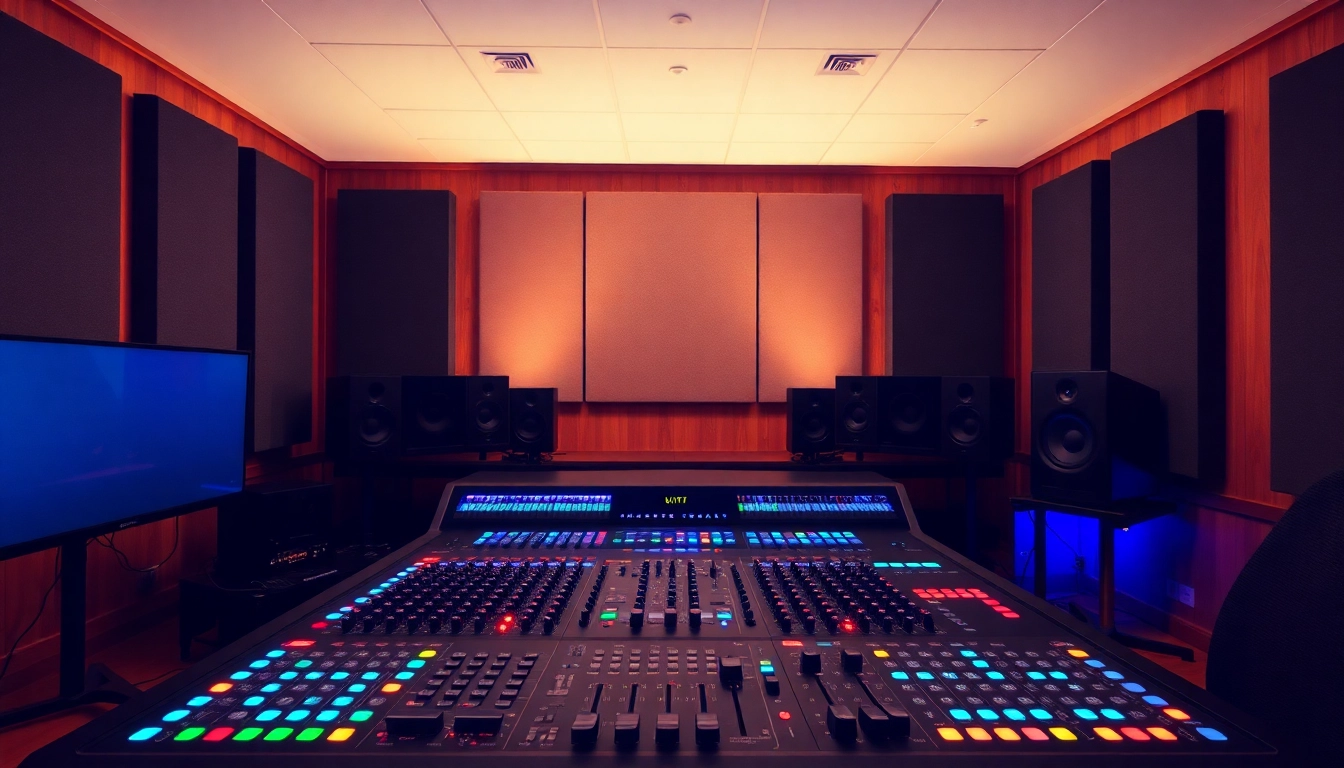
Understanding Online Audio Mastering
In the ever-evolving landscape of music production, the role of mastering has gained significant attention, particularly with the rise of digital platforms. Online audio mastering has emerged as a vital resource for artists looking to ensure their tracks are polished and ready for distribution. This process encompasses more than just a final mix—it’s an essential step in creating a cohesive sound and elevating the audio quality of music.
What is Online Audio Mastering?
Online audio mastering refers to the final stage of music production where previously mixed audio tracks are prepared for distribution. This intricate process involves a series of technical adjustments to enhance the overall sound quality. Through the use of specialized software and tools, mastering engineers work to balance audio levels, apply compression, and adjust equalization to achieve the desired sound. The final product is a stereo audio file that is ready for streaming, digital sales, or physical formats.
Importance of Mastering in Music Production
Mastering plays a pivotal role in music production, serving as the bridge between the recording phase and the listener’s experience. A well-mastered track can significantly impact its commercial viability. It optimizes the sound for various playback systems—from headphones to large speakers—ensuring that the artist’s vision is cohesively represented across all platforms. Furthermore, mastering can help in defining the sound identity of an artist, which can be particularly crucial in a saturated market.
Basic Differences Between Mixing and Mastering
While mixing and mastering are often conflated, they are distinct processes with unique purposes. Mixing involves combining individual tracks, applying effects, and creating a balanced sound to ensure that each element is clear and contributes to the overall composition. Mastering, on the other hand, focuses on polishing that finalized mix. It enhances audio quality, adjusts dynamics, and prepares the audio for distribution, ultimately making it sound its best in any listening environment.
Key Techniques in Online Audio Mastering
Compression and EQ Adjustments
Compression is a technique used during mastering to control the dynamic range of a track. By reducing the volume of loud sounds and amplifying quieter ones, compression provides a more balanced and polished sound. This is crucial in ensuring that all elements are clearly heard without one overpowering the other. Alongside compression, equalization (EQ) adjustments fine-tune the frequency balance of the mix. By boosting or cutting specific frequencies, mastering engineers can enhance clarity and depth, creating a richer soundscape.
Utilizing Limiting for Volume Maximization
Limiters are essential tools in the mastering process that prevent unwanted clipping and distortion while maximizing the overall loudness of a track. By setting a ceiling for the audio signal, limiters ensure that the track plays at competitive loudness levels when compared to commercial releases. This is particularly important in genres like pop and rock, where perceived loudness can influence listener preference.
Creating the Final Stereo Mix
The final stereo mix is a pivotal product of the mastering stage. During this phase, the mastering engineer captures the audio in a two-channel format that retains the aesthetic integrity of the mix while ensuring compatibility across various playback systems. Metadata, such as track numbering and ISRC codes, may also be added at this stage to facilitate digital distribution, further cementing the track’s readiness for release.
Choosing the Right Online Audio Mastering Service
Factors to Consider When Selecting a Service
Selecting an online audio mastering service involves several considerations. First, it is crucial to evaluate the quality of samples provided by the service. Listening to their previous work allows you to gauge their ability to match your desired sound. Additionally, consider the turnaround time—some services offer quick results, while others may take longer to ensure quality. Finally, look for transparent pricing structures, terms of service, and customer support, which are essential for a smooth experience.
Common Misconceptions About Online Services
Despite the growing popularity of online mastering services, misconceptions often arise. One common belief is that online mastering cannot match the quality of in-person mastering due to the lack of personalized interaction. However, many online services employ highly skilled engineers who use advanced technology to provide exceptional results. Another myth is that online mastering is only for independent artists or low-budget projects; in reality, these services cater to a broad spectrum of clients, including professional musicians and record labels.
Price Range and What to Expect
Pricing for online audio mastering can vary widely depending on the service provider and the complexity of the project. Basic packages may start as low as $20, while premium services may charge upwards of $150 per track. Expectations should align with the cost; however, it’s crucial to weigh value against price. High-quality mastering can significantly enhance your track’s potential for success, making it a worthwhile investment in your music career.
Challenges Faced During Online Audio Mastering
Handling Different Music Genres
Each music genre has its specific sound characteristics that can present challenges during online audio mastering. For instance, electronic music often requires a focus on bass response, while acoustic tracks may need more emphasis on mid-range frequencies. Mastering engineers must be adept at identifying these nuances and tailoring their approach to effectively enhance the genre’s sonic qualities. This specialized knowledge ensures that the final product resonates well with genre-specific audiences.
Dealing With Audio Format Issues
Audio format discrepancies can complicate the mastering process, especially when tracks are recorded across different platforms or software. Mastering engineers must ensure that they receive high-quality audio files, typically in WAV format, to maintain the integrity of the sound during the final stages. All team members should communicate clearly about the preferred formats and deliverables to prevent any potential quality loss.
Ensuring a Consistent Sound Across Platforms
With the diversity of listening platforms—streaming services, radio, and physical formats—it’s essential to achieve a consistent sound across all mediums. Mastering for various playback environments, including headphones, car stereos, and club systems, requires a thorough understanding of acoustic properties. Engineers often conduct tests across multiple devices to ensure the track translates well, delivering a reliable listening experience regardless of where it is heard.
Measuring Success in Online Audio Mastering
Metrics for Evaluating Audio Quality
Success in online audio mastering can be quantified through various metrics. Common indicators include loudness levels, dynamic range, and frequency balance. Tools such as LUFS (Loudness Units Full Scale) meters help assess the loudness in relation to industry standards. Additionally, analyzing the frequency spectrum using analyzers can assist in determining the clarity and balance of the mix, ensuring it meets professional audio quality benchmarks.
Feedback from Listeners and Industry Professionals
Gathering feedback is crucial in evaluating the quality of a mastered track. This involves not only listening sessions with peers but also seeking input from industry professionals. Constructive critiques can provide insights into aspects that resonate well with audiences and areas needing improvement. Moreover, listener engagement metrics, such as streaming numbers and playlist placements, serve as further validation of a track’s success.
Adapting to Trends in Music Production
The music industry is constantly changing, and mastering practices must evolve to keep pace. Staying informed about emerging trends, such as new genres or production techniques, is vital for mastering engineers. By adapting their skills and incorporating contemporary styles, they can better serve their clients and increase the relevancy of their services in a competitive market.
Frequently Asked Questions
What is the average cost of online audio mastering?
The cost typically ranges from $20 to over $150 per track, depending on the service quality and package selected.
How long does the online mastering process take?
Turnaround time varies by service—some offer quick results within 24 hours, while others may take several days for thorough mastering.
Can I get a refund if I’m not satisfied with the results?
Many online mastering services have satisfaction guarantees or revision policies; always check their terms for specifics on refunds or edits.
Is online audio mastering suitable for all genres?
Yes, online audio mastering can effectively enhance tracks across all genres, as engineers tailor techniques to match specific audio needs.
Do I need to edit my tracks before sending them for mastering?
It’s recommended to provide a finalized mix, as mastering optimizes the entire track. However, ensure the audio is clean and free of unintended errors.